


IMF proposes tougher fiscal conditions for Pakistan, including energy price hikes
 Rabbia Zafar
|
2 hours ago
Rabbia Zafar
|
2 hours ago

The International Monetary Fund (IMF) has proposed new financial conditions for Pakistan, calling for major structural reforms alongside continued increases in electricity and gas prices, according to reports.
Under the proposed framework, the IMF has suggested that Pakistan set a Federal Board of Revenue (FBR) tax target of Rs15,267 billion for the upcoming fiscal year. In addition, the government may need to impose around Rs430 billion in additional taxes, including Rs215 billion through new tax measures and Rs115 billion through enforcement actions.
The report further indicates that Pakistan could collect approximately Rs1,727 billion through petroleum levy, a move that is expected to add further pressure on inflation and household costs.
The IMF’s conditions reportedly extend beyond taxation and revenue measures. They include parliamentary approval of the federal budget, strengthening anti-corruption mechanisms, improving transparency in public procurement systems, and reforms to enhance the overall tax structure.
Mother kills three children before suicide in Mailsi domestic tragedy
Additional governance-related requirements involve increasing the independence and transparency of the National Accountability Bureau (NAB), amending Public Procurement Regulatory Authority (PPRA) rules, and developing a roadmap for gradually liberalising the currency exchange system.
In the energy sector, the IMF has reportedly called for regular adjustments in gas and electricity tariffs on both annual and semi-annual bases. It has also proposed the gradual withdrawal of incentives offered in special economic zones by 2035.
Authorities maintain that these measures are aimed at stabilising Pakistan’s economy, improving fiscal discipline, and ensuring long-term sustainability. However, economists warn that such reforms could further increase the financial burden on consumers in the short term, especially amid already high inflation and rising utility costs.
The proposed conditions come at a time when Pakistan continues to rely on IMF support to manage external financing gaps and maintain macroeconomic stability, highlighting the ongoing tension between reform requirements and public affordability concerns.
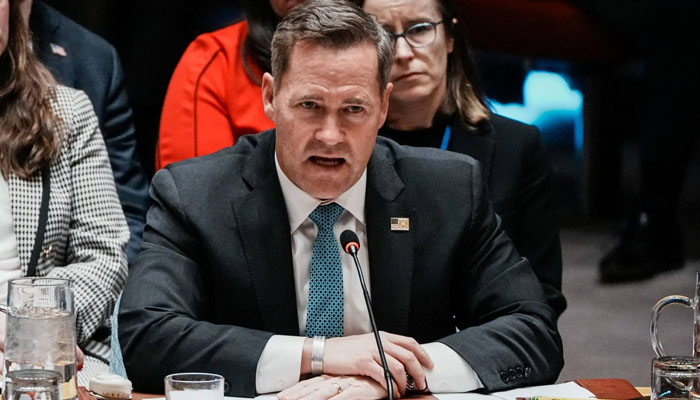
US claims China is distancing from Iran after Trump Beijing visit
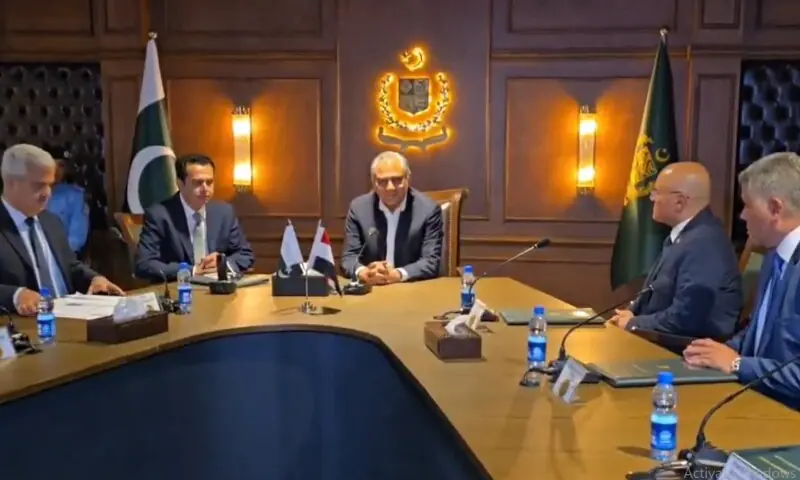
Pakistan, Egypt agree to boost security cooperation and counter-terrorism ties
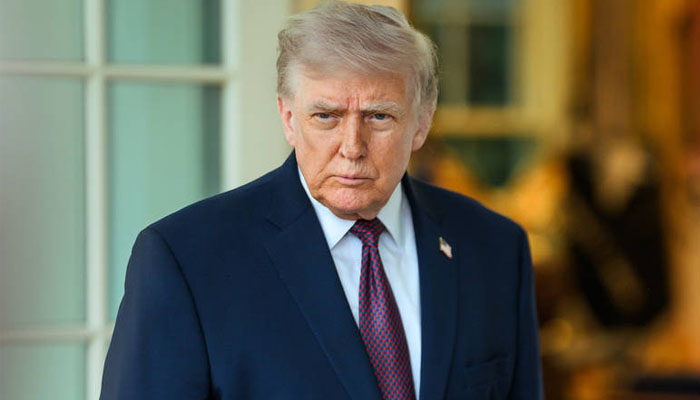
Trump’s Iran strategy stalls as rhetoric and reality collide

Sanam Saeed, Roma Riaz to represent Pakistan at Cannes Film Festival
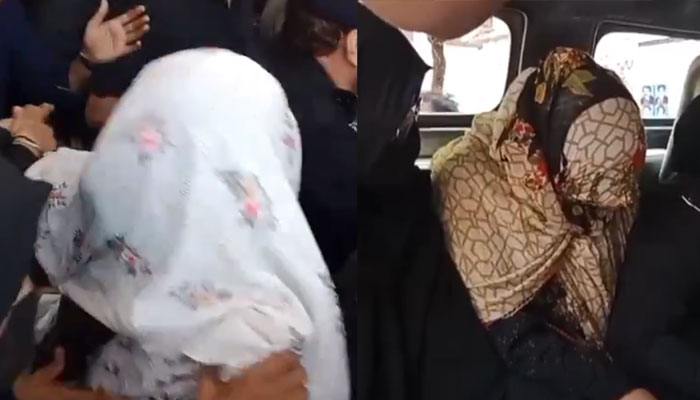
Court reserves verdict on physical remand of drug suspect Anmol alias Pinky in Karachi

Parliament clashes over Imran Khan access as opposition threatens protests
Stakeholders urge tax cut on lithium batteries to boost renewable energy in Pakistan
Pakistan pushes textile exports, APBUMA plans global expansion at US exhibition


6 seconds ago

12 minutes ago
20 minutes ago
23 minutes ago
48 minutes ago
53 minutes ago
- US President Donald Trump’s confrontational diplomatic style, which has delivered results in some global disputes, appears to be faltering in…
- Donald Trump has claimed that a “decisive attack” on Iran was halted following requests from “very good people” in Pakistan…
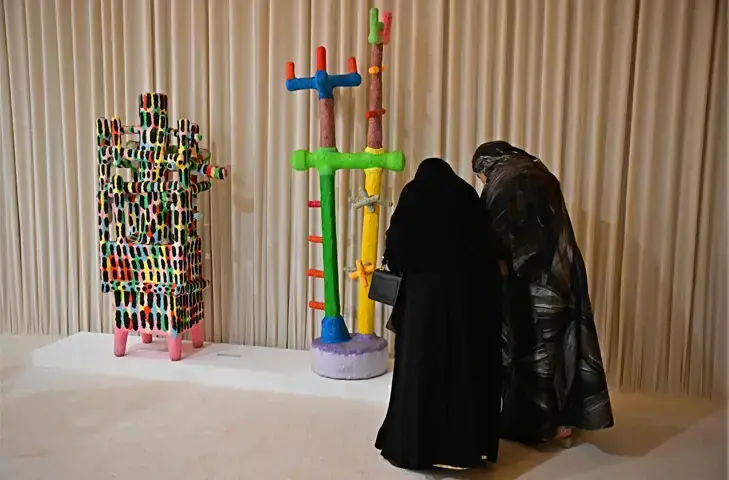
 The Middle East’s largest annual contemporary art fair, Art Dubai, opened in Dubai on Friday under the shadow of the…
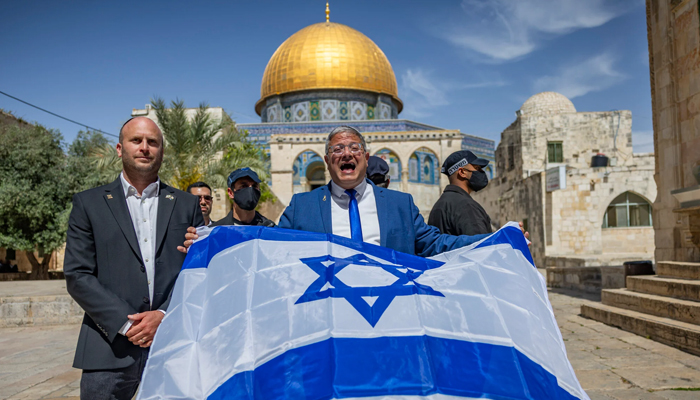
- Itamar Ben-Gvir led thousands of Israelis into the compound of Al-Aqsa Mosque, where he reportedly engaged in a highly provocative…
 A major shift in medical terminology has been announced for Polycystic Ovarian Syndrome (PCOS), a common hormonal disorder affecting millions…
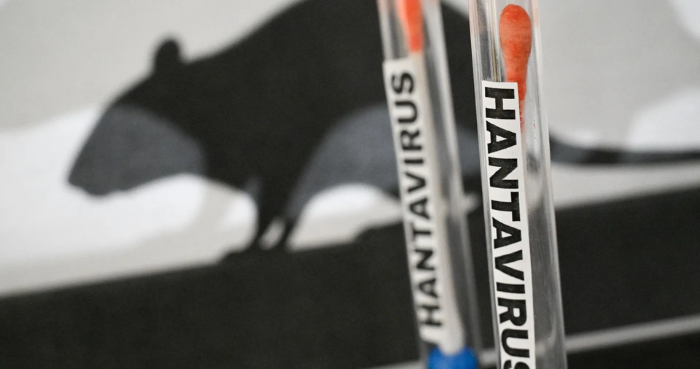
 Health authorities are working to contain a potential international spread of hantavirus after new suspected cases emerged across multiple countries,…
 The Indus Hospital, located in Karachi’s Korangi area, has earned widespread recognition for providing free and quality healthcare services to…
 The Healthcare Devices Association of Pakistan (HDAP) has raised serious concerns over the continued presence of banned reusable syringes in…



- The United States has claimed at the United Nations that…6 seconds ago
- Interior Minister Mohsin Naqvi on Saturday met a high-level delegation…12 minutes ago
- US President Donald Trump’s confrontational diplomatic style, which has delivered…20 minutes ago
- Pakistani actress Sanam Saeed and model Roma Riaz will represent…23 minutes ago